
Lower cooling costs
Reflective roof insulation reduces the load on air conditioners by blocking a large portion of summer heat gain, which can account for up to 35% of a home’s cooling energy use.
Ringwood Roof Insulation
Foil-faced blankets and sarking installed under tiles or metal sheeting to cut summer heat gain through the roof in Ringwood homes.
Share your details and Expert Insulation Melbourne will contact you about Roof Insulation in Ringwood.
Roof insulation is installed at the roofline under tiles or metal sheeting to reflect radiant heat before it enters the roof space. In Ringwood, this is especially effective against hot northerly winds and heatwaves that push temperatures up through uninsulated roofs. Foil-faced blankets and sarking are the most common products, often paired with bulk insulation in the ceiling to maximise thermal performance.
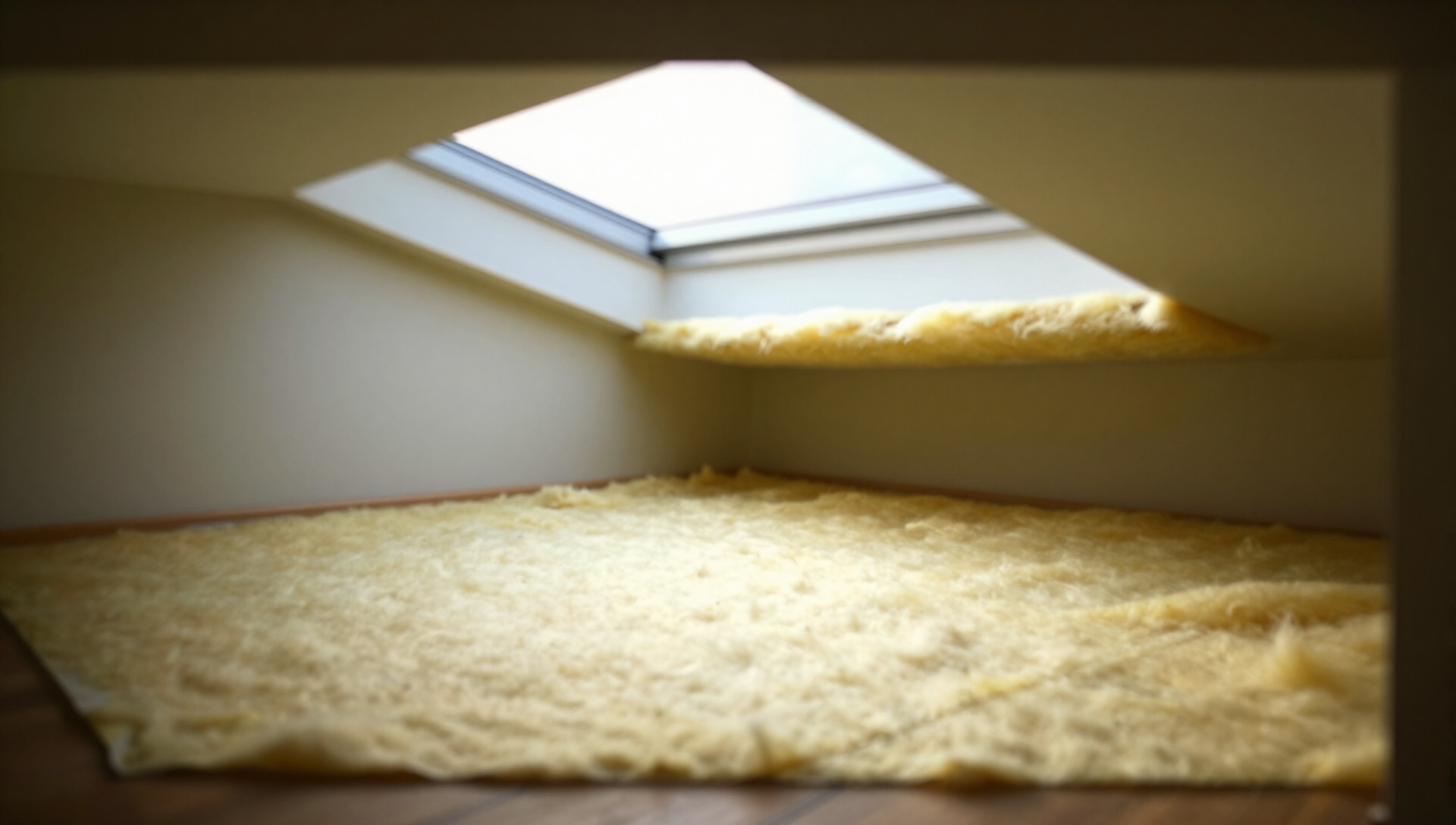
Ringwood’s mix of older weatherboard homes and brick veneer houses often have roof spaces that absorb and transfer heat directly into living areas. Installing insulation at the roofline addresses this by reflecting radiant heat away before it can warm the ceiling and rooms below.
Reflective roof insulation reduces the load on air conditioners by blocking a large portion of summer heat gain, which can account for up to 35% of a home’s cooling energy use.
By stopping heat at the roof, the insulation helps maintain steadier temperatures inside, reducing the spikes and drops that force heating and cooling systems to work harder.
Sarking and foil act as a barrier that keeps ceiling batts cleaner and more effective by reducing dust and moisture from the roof cavity.
For homes with raked or cathedral ceilings where there is no roof space, foil-faced blankets can be installed directly under the roofing material to provide thermal resistance.
Reflective insulation helps manage moisture by reducing temperature differentials that can lead to condensation forming on the underside of metal roofs.
Foil products do not compress or degrade over time like some bulk materials, maintaining their reflective properties for the life of the roof.
Installing roof insulation requires access to the roof space and careful handling of reflective materials to ensure they are positioned correctly with the required air gaps. The process is tailored to the roof type, whether it is tiled, metal or a combination.
The first step is to inspect the roof space for access points, structural obstacles and existing materials. For metal roofs, sarking can often be installed during re-roofing. For tiled roofs, foil blankets are laid over the rafters before the roof is replaced or added during construction.
Foil-faced blankets or sarking are measured and cut to fit between rafters or under battens, ensuring full coverage without gaps. Overlaps are taped to maintain continuity and prevent heat leakage.
Reflective insulation must have an air gap on at least one side to work effectively. The material is stapled or fixed in place so it does not sag or touch other surfaces, which would reduce its performance.
All edges are sealed with foil tape, and penetrations for pipes, vents or cables are carefully cut and sealed to maintain the thermal barrier. This also helps prevent dust and moisture from entering the roof space.
Ringwood’s established homes, many with tiled roofs and brick veneer construction, benefit from roof insulation to combat the area’s hot summers and cold winters. Properties near the Dandenong Ranges also experience cooler, damper conditions where condensation control is important. Reflective roof insulation is a practical upgrade for both older and newer homes, particularly those with limited ceiling insulation or cathedral ceilings.
Expert Insulation Melbourne installs reflective roof insulation in Ringwood to reduce summer heat gain and improve year-round comfort.
Homeowners in Ringwood often ask about the suitability of roof insulation for their property type, how it integrates with existing ceiling insulation and what to expect during installation.
Roof insulation in Ringwood targets the primary source of summer heat gain in homes: the roof itself. Without a reflective barrier, dark tiles and metal sheeting absorb heat and radiate it into the roof space, increasing indoor temperatures and forcing air conditioners to work harder. Foil-faced blankets and sarking installed under the roofing material reflect up to 95% of radiant heat, significantly reducing this heat transfer.
For Ringwood homes with raked or cathedral ceilings, roof insulation is often the only practical option, as there is no roof space to install ceiling batts. In these cases, reflective foil is laid directly under the roofing material, providing thermal resistance without reducing headroom. This approach is also effective for homes undergoing re-roofing, where sarking can be installed as part of the process.
The cost of roof insulation in Ringwood depends on roof size, pitch, access and the type of material chosen. Foil-faced blankets are typically more affordable, while sarking offers additional benefits such as moisture resistance. Both options are low-maintenance and long-lasting, making them a cost-effective upgrade for improving energy efficiency and comfort.
Reduce summer heat gain and improve your home’s energy efficiency with professional roof insulation. Expert Insulation Melbourne services Ringwood and surrounding areas.